
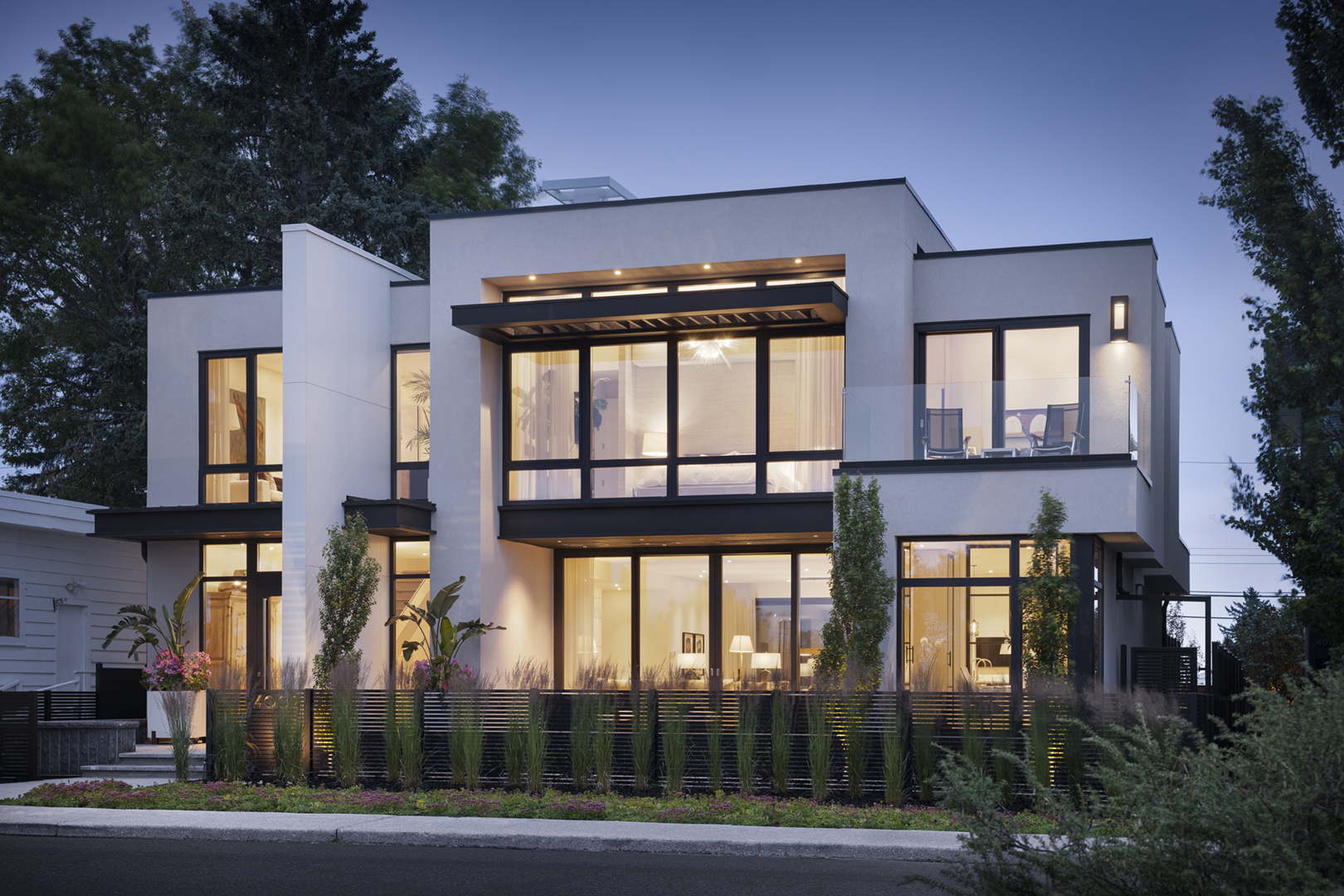

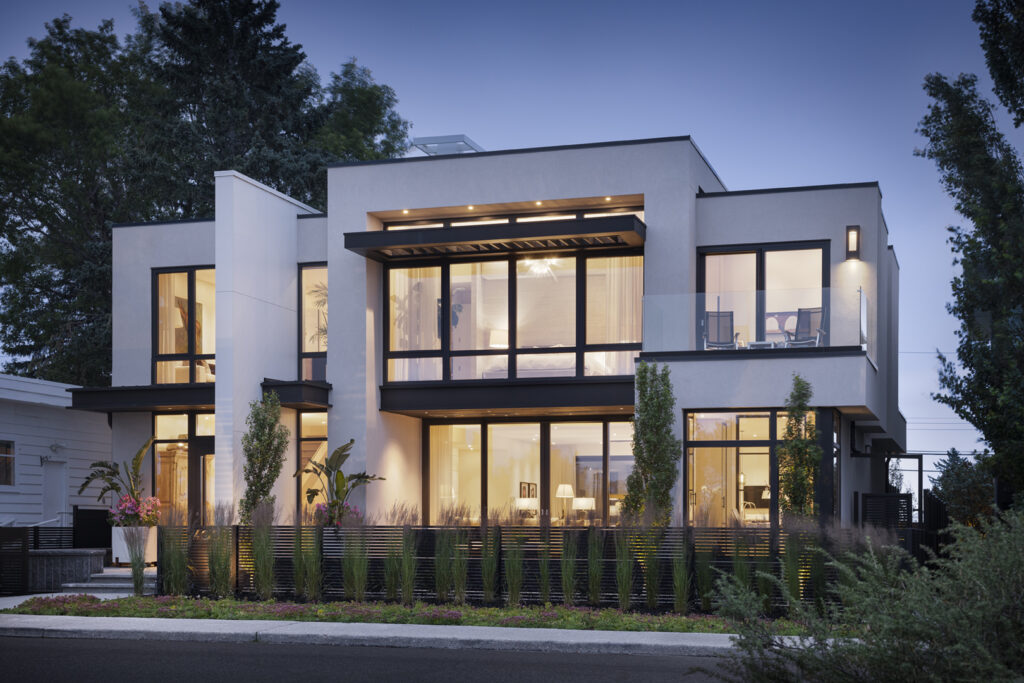
From Empire Custom Homes: how healthy materials, ventilation and design come together, and what they cost.
What is a healthy home?
A healthy home is a home designed and built to support the health of the people who live in it, mainly by reducing indoor air pollutants, moisture problems and chemical exposure. There is no single definition, because every homeowner’s needs are different. For many families, it starts with the basics: reducing asthma triggers, mould and allergens, or avoiding reactions to scents, perfumes and chemicals. Whatever your needs, your home should be a place to recharge, where you feel safe and well, and where you can find refuge from the challenges of daily life.
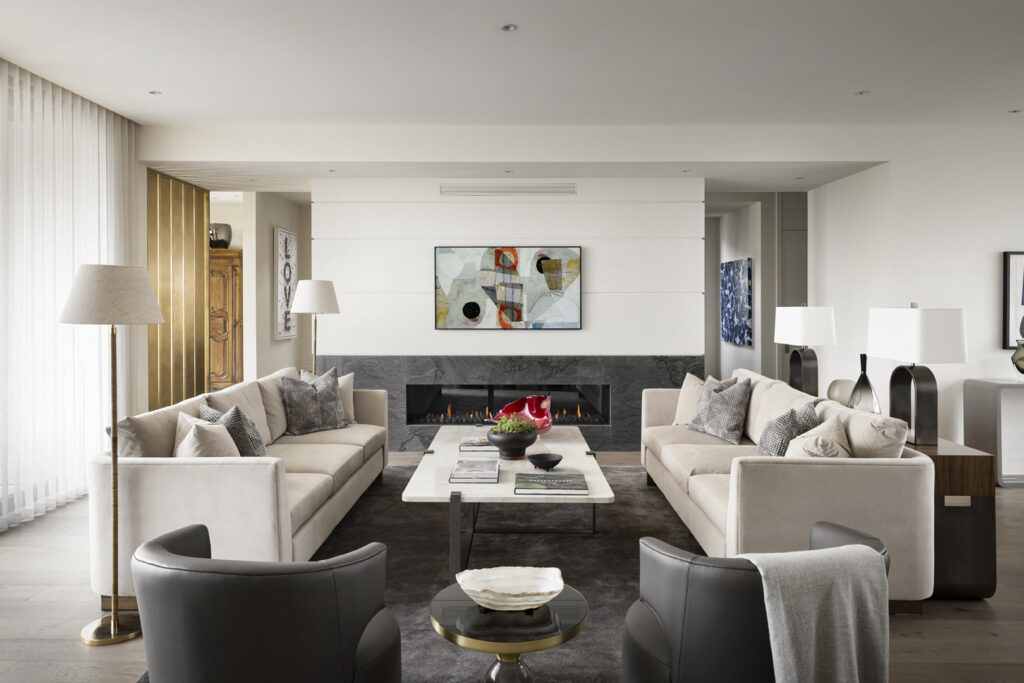
Why we started building healthy homes
Our healthy-home journey began with a personal health crisis. After the 2013 floods in Calgary, Alberta, I faced health challenges that led to years of appointments with doctors and other health practitioners. When Empire Custom Homes moved into a new office in 2017, I knew it had to be a healthy building, one I could actually go to work in every day. Avoiding chemicals, perfumes, cleaners and personal-care products was only one part of the puzzle. The other part was the construction materials that surrounded us every day, both at the office and in the homes we were building.
Building that office changed our focus, not only on the materials we use but on how they are installed and how our professional trades work with them. It was eye-opening to learn that healthier materials were available, often at little or no difference in cost. That experience led us to create the RESIDE Healthy Standard, so we could help people build healthier homes for themselves, their families and their friends, and live healthier lives.
How does Empire Custom Homes build a healthy home?
At Empire Custom Homes, every healthy home is built around the RESIDE Healthy Standard and tailored to the needs of each homeowner. Our approach focuses on six areas:
- Reduction: We source materials with the lowest possible content of volatile organic compounds (VOCs), the chemicals that off-gas from many building products.
- Elimination: We eliminate VOCs wherever possible, while utilizing technology that reduces or removes them from the air.
- Selection: It’s about knowing what to look for. All materials are researched and selected to meet or exceed recognized air quality standards.
- Indoor Ventilation: It is impossible to remove every pollutant from the air in any home, so a well-designed ventilation system is essential to reduce your family’s exposure.
- Design: Every element is carefully considered, from the location and the view to the lighting, air quality, colour, texture and pattern. Each plays a role in creating a healthy home.
- Environment: While supporting your health, we also make better decisions for the environment by reducing and recycling construction waste, using regionally sourced materials when practical, and using innovative construction practices that help reduce risks to homeowners.
Choosing a healthy home is no different from the other choices we make for our family’s well-being: the food we eat, how we exercise, our medical care and the products we bring into our daily lives. You spend much of your life at home, so your home deserves the same care.
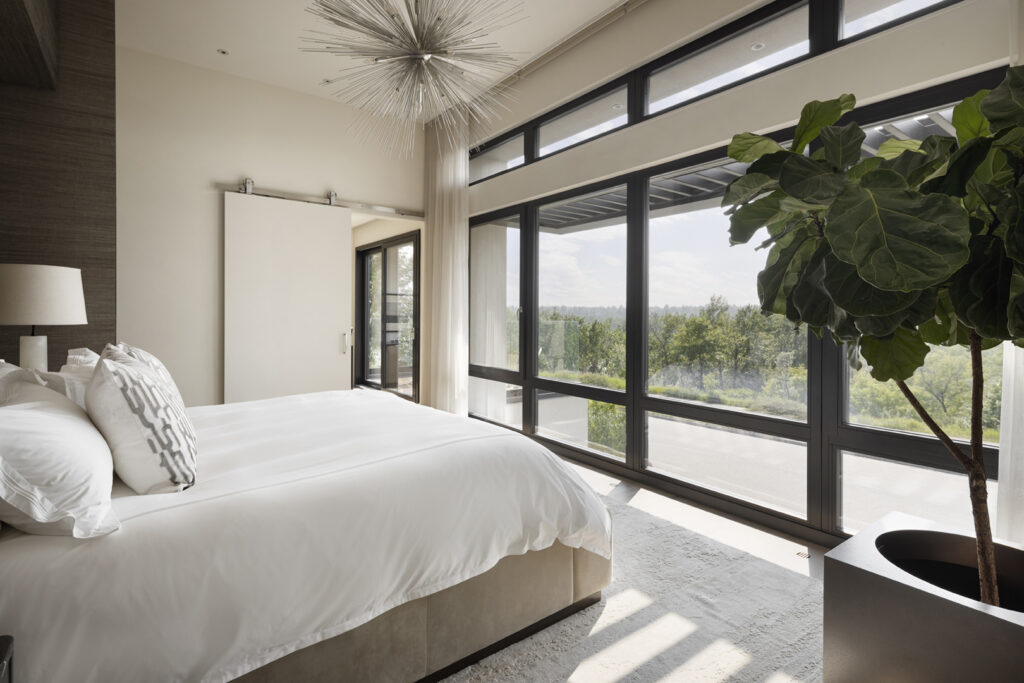
Who should build a healthy home?
Simply put, everyone should be able to build and live in a healthy home. According to Health Canada, Canadians spend close to 90% of their time indoors, at home, at work and in other indoor spaces. With so much of our lives spent inside, a healthy home gives every family a better chance at a healthier life.
Whether you’re building in the city of Calgary, in the country, or in one of the many mountain resort communities surrounding Calgary, from Canmore and Banff in Alberta to Invermere, Fernie, Golden and Revelstoke in British Columbia, building a healthy home is important, and Empire Custom Homes can help.
Not everyone thinks about the air quality in their home. Many people have lived in homes built the usual way, felt fine, and expect to stay fine without changing anything.
Remember the “new car smell”? It used to be a badge of honour to invite friends over to smell your new car. Little did we know that the smell came from chemicals off-gassing from the materials used to build it. New homes can off-gas in a similar way, as many building materials release chemicals into the air, affecting the people who live there in ways they may not realize.
Have you ever known someone who moved into a new home and couldn’t explain why they were having headaches or other health challenges? Perhaps a family member’s asthma changed, or someone just didn’t seem like themselves after the move. Sometimes these changes can be linked to something no one noticed: poor indoor air quality left behind after construction.
The good news is that much of this can be avoided by choosing healthier materials and systems from the very start of the construction process. That is why a healthy home matters for every family, not just those with known sensitivities. And as the next section shows, building healthy often costs less than you might expect.
How much does it cost to build a healthy home?
Like any home, the cost of a healthy home depends on the overall design, the materials used and your final product selections. The good news is that choosing healthier materials usually doesn’t add much to the budget. Formaldehyde-free MDF, prefinished flooring made without added formaldehyde, low-VOC materials and other low-toxicity flooring options are often available at the same price as conventional products, or for only a small increase.
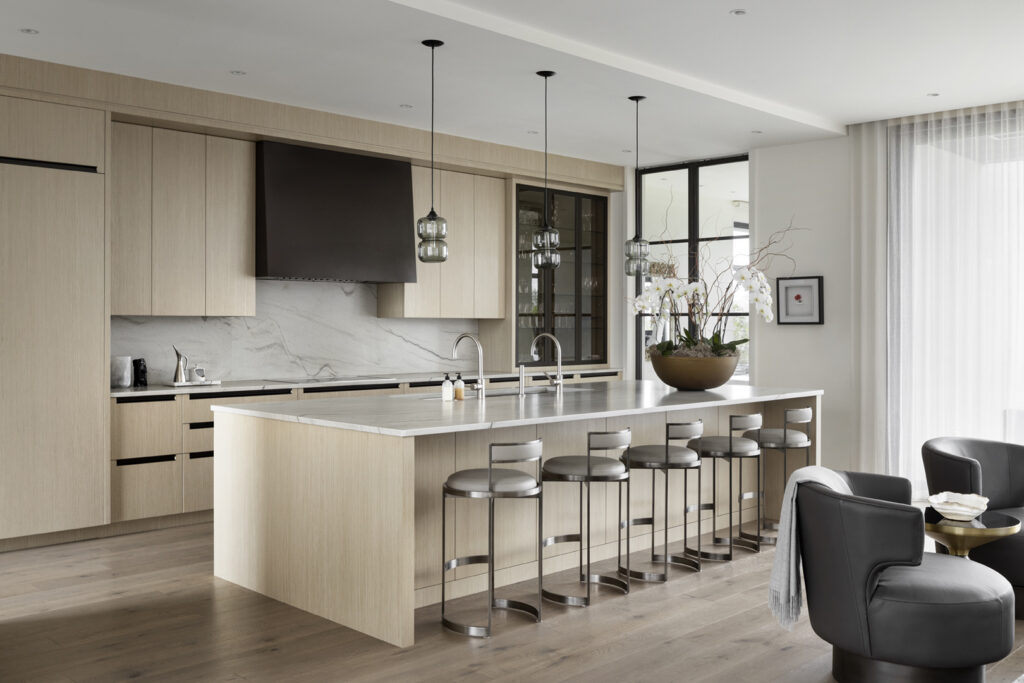
Is your HVAC system the most important healthy-home investment?
Your heating, ventilation and air-conditioning (HVAC) system is arguably the most important part of a healthy home, because it controls the air you breathe every day. Its cost depends on your needs and preferences, but the main factors to consider are:
- The level of filtration for dust and other contaminants
- Fresh-air ventilation through a heat recovery ventilator (HRV) or energy recovery ventilator (ERV), plus humidity control
- The type of thermostat and controls
- The size and quality of the equipment serving the home
Water filtration is another system worth planning for. Like HVAC, the right choice depends on your household’s needs. Factors to consider include:
- Whether to add a carbon (charcoal) filtration system
- Whether to run separate filtered-water lines to areas such as the kitchen sink or bathroom vanities
- Whether standard filtration or reverse osmosis is the right fit for your home
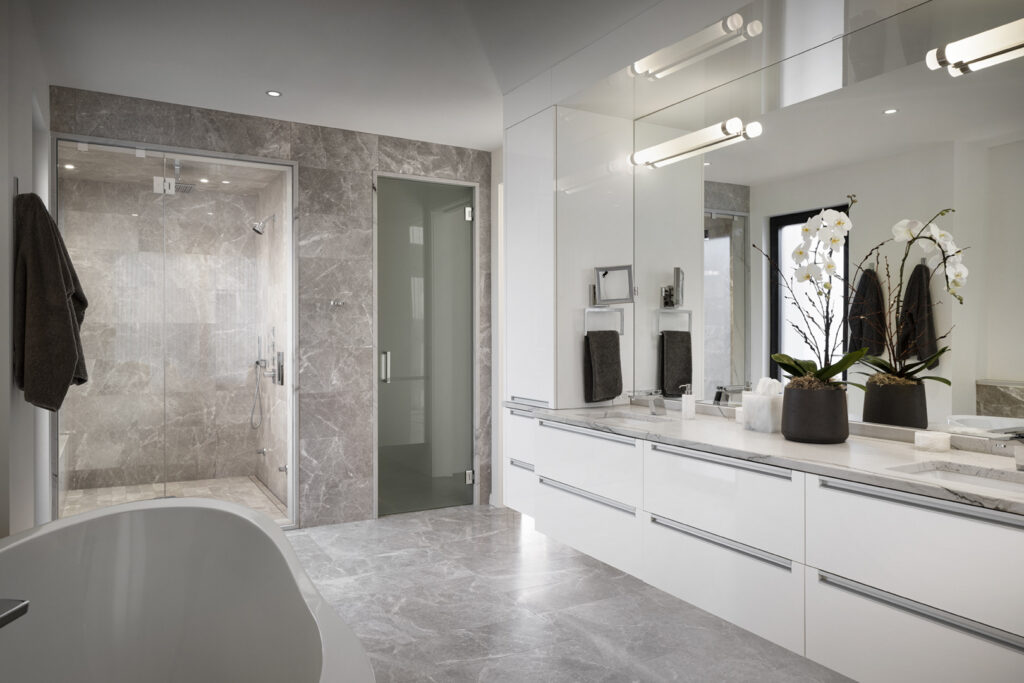
How do finishing materials affect a home’s indoor air quality?
Finishing materials are used throughout your home, including mouldings, millwork, flooring, and paint or stain, so choosing low- or no-VOC options is critical to your home’s health. The price difference between conventional and healthier products is usually small. With careful selection by your builder, these choices can make a substantial difference to your home’s indoor air quality and to the everyday lives of the people who live there.
What is the most important consideration when building a healthy home?
The most important decision is choosing a builder who understands what a healthy home really is. A healthy home goes beyond construction materials. It includes how the home is professionally built for long-term durability, how it is maintained over time, the quality of the air inside, and even the cleaning and personal-care products the homeowner uses.
It is more than a water filter or an upgraded HVAC filter. It is an approach that shapes how materials are selected, how they are installed, and how the professional trades work on your home. A healthy-home builder takes time to understand your needs, uses healthier materials in place of the conventional ones most builders choose, and guides you toward the investments that matter most to you and offer the greatest health benefit.
Talk to us about your healthy home
Thinking about building or renovating a healthier home in Calgary, the surrounding countryside or the mountain communities of Alberta and B.C.? Contact Empire Custom Homes to talk about your family’s needs and where a healthy-home investment will make the biggest difference.
Common questions
What are VOCs?
Volatile organic compounds (VOCs) are chemicals that evaporate into the air from many building products, including some paints, stains, adhesives and engineered wood. Choosing low- or no-VOC products helps improve indoor air quality.
Does a healthy home cost more to build?
Usually only slightly. Many healthier materials cost the same as conventional ones or only a little more. The largest variable is typically the HVAC and filtration system you choose.
What is the difference between an HRV and an ERV?
Both bring in fresh outdoor air while recovering heat from the outgoing air. An ERV also transfers some moisture, which can help manage indoor humidity. Your builder and HVAC designer can recommend the right fit for your home and climate.
Do I need a healthy home if no one in my family has allergies or asthma?
Yes. Everyone breathes the air inside their home, and with Canadians spending close to 90% of their time indoors, better indoor air quality benefits every family.
What is an HRV, and should it run all the time?
An HRV, or heat recovery ventilator, brings fresh air into your home and sends stale air out, and on the way through, the warm air leaving the house warms the cold air coming in. The two streams pass each other through a separate chamber and never mix, so on a minus-30 day your furnace isn’t heating outdoor air from scratch, and in summer the same exchange helps cool the air coming in. We put an HRV in every home we build, even where code doesn’t require one, and we run it continuously wherever the homeowner is comfortable with that, because a well-sealed home needs a steady supply of fresh air.
How long does a new home off-gas?
Health Canada says the materials that release chemicals in a new or newly renovated home can take weeks, and sometimes months or years, to off-gas completely, and that more is released on hot, humid days. That is why we start with the lowest-emitting materials we can find, so there is less to off-gas in the first place, and then rely on good ventilation to keep clearing the air.
What does low-VOC paint mean, and does zero-VOC paint still smell?
Low-VOC paint releases fewer volatile organic compounds into the air as it dries, and zero-VOC paint contains only trace amounts. Some zero-VOC paints still have a mild smell, and the colourant added when a paint is tinted can raise its VOC content, so it’s worth asking about the tinted colour you’re buying as well as the base paint. Paint and stain are one of the easiest places in a home to choose a healthier product, and the price difference is usually small.
Is a whole-house water filter worth it?
It depends on your water and your household. A whole-house filter treats all the water coming into your home, including your showers and laundry, while a filtered line to the kitchen sink or bathroom vanities treats the water you drink. Carbon filtration is a common choice for reducing chlorine, taste and odour, and reverse osmosis removes more but is usually installed at a single tap. We help you plan the right fit alongside your HVAC system, so it’s built into the home from the start.
Do new homes in Calgary need radon protection?
Alberta’s building code requires new homes to be prepared for radon, with a capped pipe from beneath the house that could later be used to vent it. We go a step further, extending that pipe and venting it outside the house. Radon is a natural gas from the ground that you can’t see or smell, and a University of Calgary study found that about one in eight Calgary-area homes tested were above Health Canada’s guideline, so a long-term radon test is the only way to know your own home’s level.
Keep reading
Related articles

Where to Start With a Custom Home in Calgary
Where do you start if you want to build a custom home? Deciding to build a custom home can feel equally exciting…

Custom Home or Renovation: Which Do You Need?
Deciding whether to renovate or start again is a big decision with a hundred smaller ones folded inside it. First, you need to understand what you want from the finished space, before assembling a team. A renovation is a long list of considerations, and a custom home is a long list of decisions.